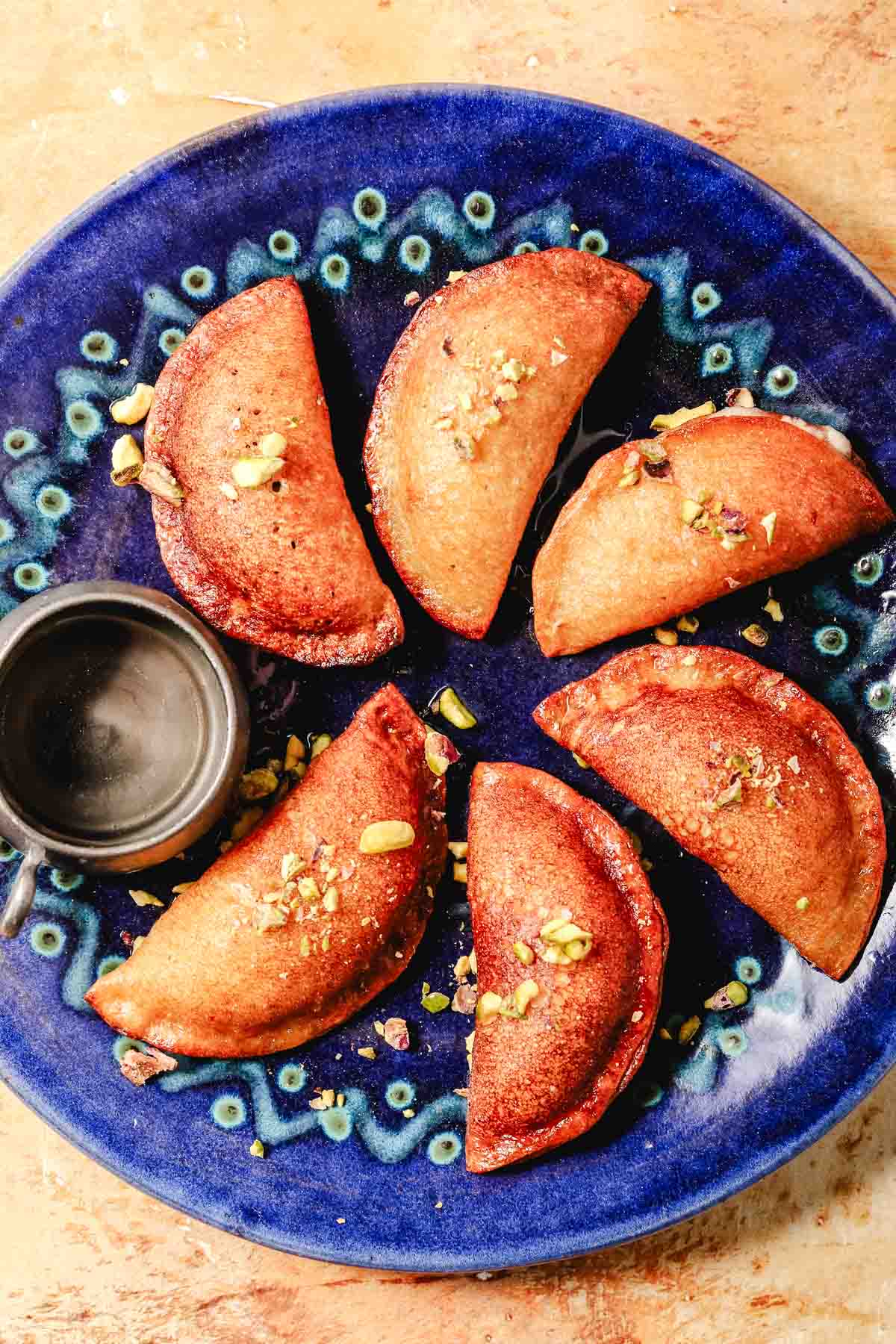
As the crescent moon signals the start of Ramadan, a particular aroma begins to waft from kitchens and bakeries across the Middle East: the sweet, inviting scent of qatayef. This beloved Arabic dessert, often described as a sweet dumpling or a delicate folded pancake, is far more than just a treat; it's a culinary hallmark, steeped in history, rich with cultural significance, and brimming with delicious variations. From its distinct pancake base to its diverse fillings and preparation methods, qatayef offers a captivating journey for the palate and the soul.
What Exactly is Qatayef? Understanding the Basics
At its heart, qatayef (also known as katayef or atayef) is a unique Middle Eastern delicacy consisting of small, yeasted pancakes. Unlike typical pancakes, these are cooked only on one side on a hot griddle, creating a wonderfully bubbly, slightly spongy surface on top and a smooth, golden base. The batter, traditionally made from flour, semolina, yeast, sugar, salt, and water or milk, undergoes a crucial fermentation process. This allows it to develop the air pockets essential for its characteristic texture and makes it perfectly pliable for folding. Once cooked, these soft, velvety pancakes are ready to be transformed into their iconic half-moon shape, encasing a variety of delectable fillings.
The name qaṭaːyif itself is believed to derive from the Arabic root q-ṭ-f, meaning 'to pick up' or 'to pluck,' perhaps referencing the way these delicate treats are handled. Historically, there was even a distinction in Ottoman Turkish, where _yassi kadayif_ (flat qatayef) differentiated this pancake from _tel kadayıf_ (hair qatayef), which is known today as knafeh in Arabic. This highlights qatayef's distinct identity as a standalone dessert, celebrated for its unique form and preparation.
A Symphony of Flavors: Popular Qatayef Fillings
One of the most appealing aspects of qatayef is its incredible versatility in fillings. These range from time-honored classics to more contemporary interpretations, each offering a distinct flavor profile that complements the delicate pancake base. The choice of filling often dictates the final cooking method, adding another layer of variety to this cherished sweet.
Traditional Fillings: A Taste of Heritage
- Sweetened Nuts: The most classic and perhaps oldest stuffing for qatayef involves a fragrant mixture of crushed nuts. Historically, medieval Arabic cookbooks mention crushed almond and sugar as the primary filling. Today, a popular combination is finely chopped walnuts, often blended with sugar, ground cinnamon, and a splash of aromatic orange blossom water. This creates a sweet, earthy, and slightly spiced interior that pairs beautifully with the crisp fried exterior.
- Cream (Ashta/Qeshta): For those who prefer a creamier texture, clotted cream (known as ashta or qeshta) is a beloved choice. This rich, thick, and subtly sweet cream is particularly popular in the unfried version of qatayef, known as qatayef asafiri, where its freshness shines.
- Cheese: A less common but equally delicious traditional filling is unsalted white cheese, such as Nabulsi cheese or akkawi. When baked or fried, the cheese softens and becomes slightly stretchy, offering a delightful sweet-savory contrast that is utterly addictive. This variety is a true testament to the diverse flavor preferences within Middle Eastern cuisine.
Modern Twists and Creative Combinations
While tradition reigns supreme, qatayef has also embraced modern culinary trends. It's not uncommon to find contemporary fillings like Nutella, sweetened ricotta cheese, or even fruit purees making an appearance. These innovations showcase the dessert's adaptability, allowing new generations to enjoy qatayef with flavors that resonate with their evolving tastes. Regardless of the filling, the objective remains the same: to create a harmonious blend of textures and flavors that makes each bite a memorable experience.
Qatayef Varieties: From Fried Delights to Fresh Cream Creations
Beyond the choice of filling, qatayef presents itself in several delightful varieties, each offering a unique textural and experiential journey. The final preparation method plays a significant role in defining these distinct forms, catering to different preferences and occasions.
Qatayef Mahshi: The Golden, Syrup-Soaked Classic
The most widely recognized form is qatayef mahshi, which translates to "stuffed qatayef." After being filled with nuts, cheese, or even some cream variations, the half-moon shaped pancakes are carefully sealed. They are then either deep-fried until golden brown and wonderfully crisp, or baked in the oven for a lighter alternative – a method mentioned in historical texts as being used with walnut oil. Once cooked, these hot parcels are immediately immersed in a fragrant, cold sugar syrup (attar or sherbet), often infused with lemon juice, rosewater, or orange blossom water. This syrup soak is crucial, as it transforms the qatayef, giving it its signature sticky sweetness and a tender, moist interior encased within a gloriously crisp shell. The contrast between the crunchy exterior and the soft, syrup-laden filling is what makes this version so irresistible.
Qatayef Asafiri: The Delicate, Unfried Treat
For those who prefer a fresher, lighter indulgence, qatayef asafiri offers an exquisite alternative. "Asafiri" translates to "little birds," a name that aptly describes the smaller size of these pancakes compared to their stuffed and fried counterparts. The key distinction of qatayef asafiri is that the pancakes are not folded and fried or baked after filling. Instead, they are left partially open, forming a small cup. These delicate cups are typically filled generously with fresh clotted cream (ashta) and then garnished with crushed pistachios or a drizzle of honey or light syrup. Served fresh and often chilled, qatayef asafiri provides a delightful contrast of the soft pancake, the creamy filling, and the crunch of nuts, making it a perfect, less intense dessert option.
Whether fried, baked, or served fresh, each variety of qatayef showcases the versatility of this beloved dessert. While the fried versions are deeply satisfying and rich, the asafiri offers a lighter, elegant option, proving that there's a qatayef for every palate and preference.
More Than a Dessert: The Cultural Significance of Qatayef
Beyond its delectable taste and varied forms, qatayef holds a profound cultural significance, particularly within the Middle East. It is a symbol of community, tradition, and celebration, deeply woven into the fabric of daily life during specific times of the year.
The Iconic Sweet of Ramadan
Perhaps no other dessert is as intrinsically linked to the holy month of Ramadan as qatayef. It is a seasonal specialty, making its appearance in markets and bakeries almost exclusively for the duration of this sacred month. Families eagerly anticipate its return each year, as it marks a comforting and nostalgic tradition. After the day-long fast, qatayef is enjoyed daily after iftar (the sunset meal), and sometimes even during suhoor (the pre-dawn meal). For many, the aroma and taste of qatayef are synonymous with the spiritual and communal joy of Ramadan. It’s a treat that brings people together, shared among family and friends, reinforcing bonds and celebrating the blessings of the month. To learn more about this special connection, explore Qatayef: Ramadan's Iconic Sweet Dumpling Tradition.
A Journey Through History
The origins of qatayef are as rich and storied as its flavor. While some credit the Fatimid Dynasty (10th-12th centuries) with its creation, historical evidence suggests its roots trace back even further, to the Abbasid Caliphate between 750 and 1258 CE. Qatayef was documented in the 10th-century Arabic cookbook Kitab al-Ṭabīḫ (The Book of Dishes) by Ibn Sayyar al-Warraq, a testament to its long-standing presence in Arab cuisine. This fascinating history, with mentions in medieval Arabic literature by poets like Ibn al-Rumi, underscores its enduring appeal and status as a classic. For a deeper dive into its historical journey, uncover From Caliphs' Kitchens: The Ancient History of Qatayef.
Qatayef is primarily a staple in the Levant region (Syria, Lebanon, Jordan, and Palestine) and has also become a beloved part of Egyptian cuisine. Its prevalence across these diverse regions, with slight variations reflecting local tastes and culinary traditions, further solidifies its status as a cherished cultural icon.
From its ancient origins in caliphs' kitchens to its modern-day presence on Ramadan tables, qatayef is a dessert that truly transcends time. Its versatility in fillings and forms, combined with its deep cultural roots, makes it much more than just a sweet treat. It is a celebration of heritage, a symbol of togetherness, and an indispensable part of Middle Eastern culinary identity. Whether you prefer the crisp, syrup-drenched fried version or the delicate, creamy asafiri, each bite of qatayef offers a taste of history and a glimpse into a vibrant cultural tradition. So, the next time you encounter this delightful dumpling, take a moment to savor not just its flavor, but also the rich tapestry of stories and traditions it carries.
