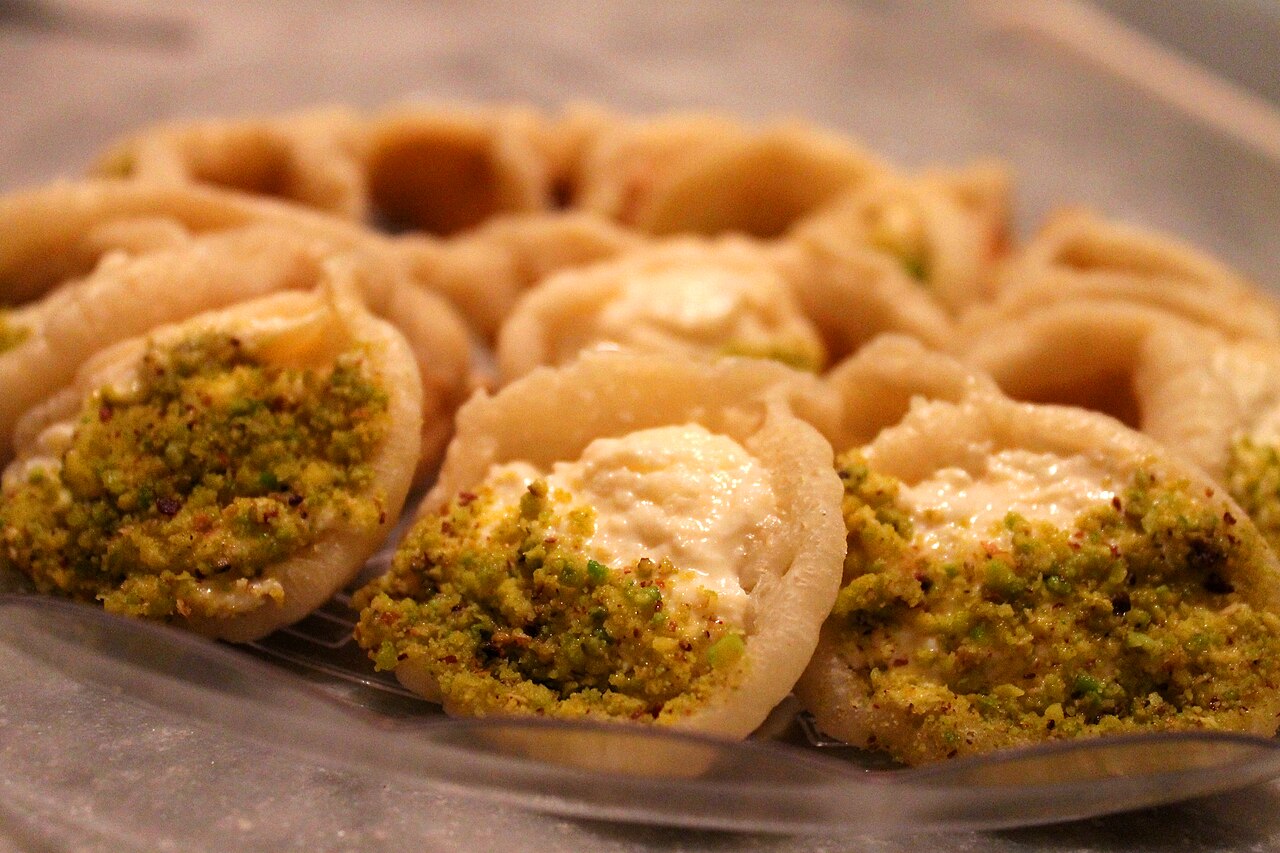
As the crescent moon signals the arrival of the holy month of Ramadan, a delightful aroma begins to waft from kitchens and bakeries across the Middle East. It’s the sweet, inviting scent of qatayef, a cherished dessert that has become synonymous with the spirit of the fasting season. More than just a confection, qatayef is a symbol of community, tradition, and the joyous breaking of the fast, holding a special place in the hearts and on the tables of millions.
Often described as a sweet dumpling or a filled, folded pancake, qatayef is a culinary marvel with a rich history and an even richer taste. Its presence during Ramadan is almost exclusive, making it one of the most anticipated treats of the year. From bustling souqs to quiet family homes, the preparation and enjoyment of qatayef mark a daily ritual, savored after the sunset meal of iftar and sometimes even before dawn at suhoor.
A Taste of Tradition: What is Qatayef?
At its heart, qatayef is an Arabic dessert comprising small, yeasted semolina pancakes that are cooked on only one side. This unique cooking method results in a distinctive bubbly surface and a soft, slightly chewy interior, often likened in thickness and texture to a Scottish crumpet. The batter itself is a simple yet carefully balanced blend of flour, semolina, yeast, sugar, salt, and water or milk, which ferments to achieve the perfect consistency and air pockets crucial for its signature form.
Once the delicate pancakes are cooked and cooled, they are transformed into sweet masterpieces through various fillings. The most traditional choices include a rich mixture of sweetened nuts, typically walnuts or almonds, often spiced with cinnamon and fragrant orange blossom water. Another popular filling features unsalted cheese, such as Nabulsi, which offers a delightful savory-sweet contrast, or creamy ricotta for a softer texture. For those who prefer an unfried delight, qatayef asafiri, or "bird's qatayef," uses a luxurious clotted cream (ashta) and is served fresh without further cooking, usually open-faced rather than folded completely.
After being carefully stuffed and folded into elegant half-moon shapes, the dumplings are either deep-fried until golden and crisp or baked to a lighter finish. The final, essential step involves immersing the hot pastries in a cold, aromatic sugar syrup. This syrup, often infused with lemon juice, rosewater, or orange blossom water, not only sweetens the qatayef but also gives it its characteristic sticky, glistening exterior and moist interior, making every bite a burst of flavor and texture.
Tracing the Sweet Legacy: The Historical Roots of Qatayef
The history of qatayef is as rich and intricate as its flavor, deeply intertwined with the culinary heritage of the medieval Islamic world. While some traditions tie its origins to the Fatimid Dynasty (10th-12th centuries CE), others argue for an even older lineage, tracing it back to the Abbasid Caliphate (750–1258 CE). This makes qatayef a dessert with roots that stretch back over a millennium, a testament to its enduring appeal.
Indeed, historical records support its ancient pedigree. Qatayef receives mention in the 10th-century Arabic cookbook Kitab al-Ṭabīḫ (The Book of Dishes) by Ibn Sayyar al-Warraq, a treasured text from the Abbasid era that was later translated as Annals of the Caliphs' Kitchens by Nawal Nasrallah. This early mention confirms qatayef as a staple of sophisticated medieval Arab cuisine, enjoyed by caliphs and commoners alike. The traditional stuffing during this period, as evidenced in various medieval Arabic cookbooks, consisted of crushed almonds and sugar, and the stuffed pancakes were sometimes fried in walnut oil or baked.
The very name qatayef (Arabic: قطايف) is thought to derive from the Arabic root q-ṭ-f, meaning "to pick up or pluck," perhaps referring to the method of handling the delicate pancakes. Another theory suggests a connection to the Arabic word qatifa, describing a soft, velvety texture reminiscent of velvet, which perfectly captures the feel of the freshly cooked pancake. In Ottoman Turkish, the term yassi kadayıf (literally "flat qatayef") emerged to distinguish it from tel kadayıf (literally "hair qatayef"), which is known in Arabic as knafeh, highlighting the dessert's distinct identity across different regional culinary traditions. For an even deeper dive into its fascinating past, explore From Caliphs' Kitchens: The Ancient History of Qatayef.
Literary works from the medieval Arabic period, including poems by figures like Ibn al-Rumi and Ibn-Hussain al-Jazzar, frequently celebrated qatayef. The 15th-century Egyptian author Al-Suyuti even dedicated a letter, Manhal al-laṭāyif fī alknāfh wāl qaṭāyif, to discussing this beloved sweet, underscoring its cultural significance and popularity throughout history.
Qatayef and Ramadan: A Sacred Connection
While delicious year-round, qatayef truly shines during Ramadan, becoming an almost exclusive seasonal specialty. Across Jordan, Egypt, Syria, Lebanon, Palestine, and many other Middle Eastern nations, its appearance in markets and bakeries marks the official start of the holy month's culinary festivities. Families eagerly anticipate its return, as it signifies not just a sweet treat but a cherished ritual that brings people together.
The consumption of qatayef is deeply embedded in the daily rhythm of Ramadan. After the day's fast is broken with iftar, plates of these golden, syrup-drenched dumplings are brought out, offering a much-needed boost of energy and a moment of sweet indulgence. It's not uncommon for qatayef to also make an appearance at suhoor, the pre-dawn meal, providing sustenance for the day ahead. This consistent presence throughout the month elevates qatayef beyond mere dessert status; it becomes a symbol of continuity, celebration, and spiritual reflection.
For many, the act of preparing or purchasing qatayef is a communal experience. Bakeries work tirelessly, their windows displaying stacks of the delicate pancakes, ready for customers to take home and fill. Families often gather to prepare them together, passing down recipes and techniques through generations, reinforcing familial bonds and cultural identity. The scent of frying qatayef and bubbling sugar syrup becomes a comforting backdrop to the Ramadan evenings, evoking nostalgia and a sense of belonging.
Crafting Qatayef at Home: Tips for Success
Making qatayef at home can be a rewarding experience, allowing you to tailor the flavors to your preference and savor the freshness. Here are some practical tips to guide you in crafting these iconic sweet dumplings:
- The Perfect Batter: A smooth, lump-free batter is crucial. After mixing flour, semolina, yeast, sugar, salt, and water/milk, allow it to ferment for at least an hour. This fermentation creates the air pockets that give qatayef its unique bubbly surface. The batter should be slightly thicker than regular pancake batter, allowing it to hold its shape without spreading too thin.
- Mastering the Pancake: Heat a non-stick griddle or pan over medium-low heat. Pour small portions of the batter onto the hot surface without spreading. The key is to cook only one side. Watch for the bubbles to form and burst on the surface, and for the edges to dry and firm up. Do not flip! Once the top surface is dry and light in color, remove the pancake.
- Filling Finesse:
- Nut Filling: Combine finely crushed walnuts or almonds with sugar, ground cinnamon, and a dash of orange blossom water for an aromatic mixture.
- Cheese Filling: For a traditional savory-sweet kick, use unsalted Nabulsi cheese (which should be soaked and drained to reduce saltiness). Alternatively, a mix of ricotta cheese with a touch of sugar and rosewater makes a delightful, creamy alternative.
- Ashta (Clotted Cream): If making qatayef asafiri, use fresh, thick clotted cream. Serve these immediately after filling, garnished with pistachios.
- Folding Technique: Once the pancakes are cooled, place a spoonful of your chosen filling in the center of the uncooked side. Fold one side over to meet the other, creating a half-moon shape. Pinch the edges firmly to seal the dumpling completely, ensuring no filling leaks out during frying or baking.
- Frying or Baking:
- Frying: For classic crispness, deep-fry the filled qatayef in hot vegetable oil until golden brown on both sides.
- Baking: For a lighter option, brush the qatayef with melted butter or oil and bake in a preheated oven until golden.
- The Syrup Dip: Prepare your sugar syrup (aghtr or sherbet) in advance so it’s cool when the qatayef is hot. A common ratio is 2 cups sugar to 1 cup water, simmered with a slice of lemon and flavored with rosewater or orange blossom water. Immerse the hot, cooked qatayef directly into the cold syrup for a few seconds, then drain.
- Serving: Garnish your freshly prepared qatayef with crushed pistachios, a sprinkle of coconut flakes, or a drizzle of extra syrup. They are best enjoyed warm, allowing the flavors and textures to shine.
For more detailed insights into the different types of fillings and their cultural significance, explore Qatayef Explained: Fillings, Varieties, and Cultural Significance.
From its ancient origins in caliphs' kitchens to its modern status as Ramadan's most beloved sweet, qatayef embodies a rich tapestry of history, culture, and culinary artistry. Its delectable blend of soft pancake, flavorful filling, and aromatic syrup makes it an unforgettable treat that brings joy and tradition to every table. As each Ramadan arrives, the humble sweet dumpling reaffirms its iconic status, inviting everyone to partake in a legacy of sweetness that spans centuries.
